
Introduction: Understanding the Significance of Multi-Flavour Pickles in Culinary Traditions
Multi-flavour pickles have become a staple in many cuisines, offering a diverse range of tastes that complement various dishes. This blog explores the art and science behind creating multi-flavour pickles, highlighting their unique blend of spices, preservation techniques, and cultural significance. Whether you are a culinary enthusiast or a food industry professional, understanding these pickles can enhance your appreciation for this flavorful condiment and its growing popularity worldwide.
The Art of Crafting Multi-Flavour Pickles: Ingredients and Processes
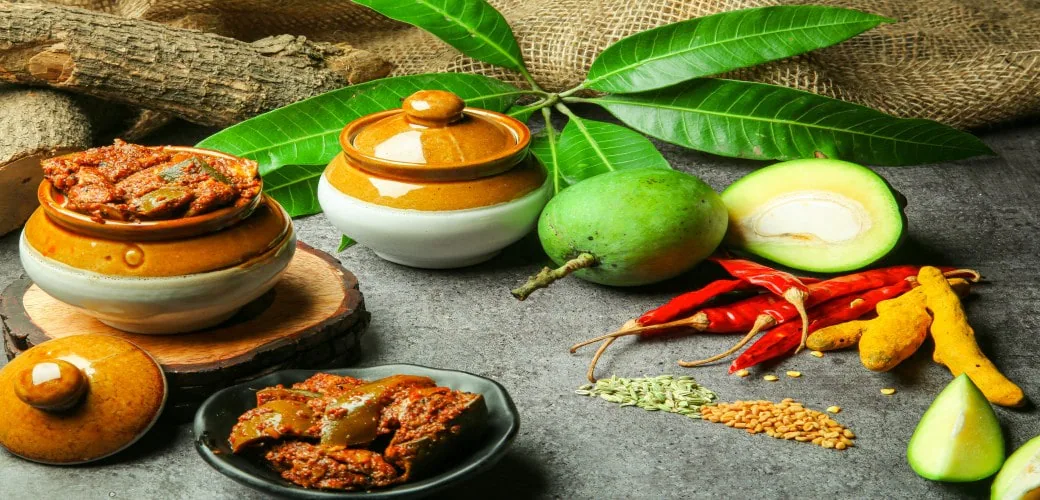
Creating multi-flavour pickles begins with selecting high-quality ingredients, including fresh vegetables or fruits and a carefully curated mix of spices. Traditional spices such as mustard seeds, fenugreek, turmeric, and chili powder are often combined to achieve complex, layered flavors. The preservation process involves salting, fermenting, or using vinegar-based brines, each method imparting distinct characteristics. Mastery lies in balancing these elements to ensure the final product is both flavorful and shelf-stable. Attention to detail during preparation—such as uniform slicing and appropriate seasoning ratios—ensures consistency. This artisanal craft reflects both cultural heritage and culinary innovation, making each batch of multi-flavour pickles a testament to skilled craftsmanship and meticulous process control.
Nutritional Benefits of Multi-Flavour Pickles: A Health Perspective
Multi-flavour pickles offer notable nutritional benefits alongside their rich taste. Fermentation enhances probiotic content, promoting gut health and aiding digestion. The presence of spices like turmeric and mustard seeds provides antioxidant and anti-inflammatory properties, contributing to overall wellness. Additionally, pickles retain essential vitamins and minerals from their base fruits or vegetables, such as vitamin C and potassium. However, it is important to moderate consumption due to their sodium content. When incorporated thoughtfully into the diet, multi-flavour pickles can support digestive health, boost immunity, and add a flavorful nutrient boost, making them a valuable addition to balanced nutrition.
Exploring Global Varieties: Multi-Flavour Pickles Around the World
Multi-flavour pickles hold a beloved place in diverse culinary traditions worldwide, each bringing unique flavors and preparation techniques. In India, pickles often combine fruits or vegetables with robust spices like fenugreek and chili, creating intense, tangy profiles. Korean kimchi offers a fermented vegetable option rich in probiotics and umami flavor. Meanwhile, Mediterranean pickles emphasize herbs such as oregano and dill, balancing acidity with earthiness. These global varieties not only reflect regional tastes and ingredients but also highlight the cultural significance of pickling as a preservation method. Exploring these international multi-flavour pickles provides insight into the artistry and health benefits embedded in this enduring culinary practice.
Best Practices for Storing and Serving Multi-Flavour Pickles
Proper storage is essential to maintain the vibrant flavors and safety of multi-flavour pickles. Always use sterilized, airtight containers to prevent contamination and preserve freshness. Store pickles in a cool, dark place or refrigerate after opening to slow fermentation and extend shelf life. When serving, use clean utensils to avoid introducing bacteria. Pair pickles thoughtfully with meals to enhance flavors—spicy Indian pickles complement rich curries, while crisp Mediterranean varieties balance grilled dishes. Adhering to these best practices ensures that multi-flavour pickles remain flavorful, safe, and enjoyable over time, allowing their complex profiles to shine in every culinary experience.
Common Mistakes to Avoid When Making Multi-Flavour Pickles
When crafting multi-flavour pickles, several pitfalls can compromise quality. Avoid using unripe or damaged fruits and vegetables, as they can affect texture and taste. Overcrowding jars restricts proper brine circulation, leading to uneven fermentation. Insufficient sterilization of containers and utensils can introduce harmful bacteria, risking spoilage. Additionally, neglecting the exact proportions of salt, spices, and acidity may result in off-flavors or unsafe products. Lastly, improper storage—such as exposing pickles to direct sunlight or fluctuating temperatures—can degrade their quality. Being mindful of these common errors ensures your pickles develop the desired complex flavors safely and consistently.
Conclusion: Elevating Your Culinary Experience with Multi-Flavour Pickles
Mastering the art of multi-flavour pickling offers a unique opportunity to enhance your culinary repertoire. By carefully selecting quality ingredients, adhering to precise preparation methods, and avoiding critical mistakes, you create pickles that are both flavorful and safe. These vibrant condiments not only add complexity and depth to meals but also preserve seasonal produce in a delicious form. With attention to detail and patience, multi-flavour pickles can transform everyday dishes into memorable experiences, showcasing the rich tapestry of tastes that thoughtful fermentation brings. Embrace this craft, and elevate your meals with the perfect balance of tang, spice, and freshness.